Meta Says 'The Era of Link in Bio Is Over' — Are They Right?
 Marcel Cruz
Meta says the era of link in bio is over. That's the line. Nicola Mendelsohn said it on stage at Shoptalk Spring, and the internet immediately did what it does best: ripped the quote out of context, declared Linktree dead for the 47th time, and moved on.
Here's the less stupid version. Meta is absolutely killing one narrow use case: using a bio link as a clunky workaround for tagging products in content. But that's not the whole job of a bio page, and pretending otherwise is platform-hype nonsense.
What Meta actually announced
Per Retail Dive, Meta is testing product tagging for eligible creators on Instagram Reels across five markets. Creators can link up to 30 products in a single Reel, pulling from a business catalog or unique affiliate links.
That matters. It is a real product change, not just another speculative feature test buried in some half-abandoned beta menu.
Meta also said:
- creators can link up to 30 products in a Reel
- the test is currently limited to five markets
- broader rollout is planned this spring
- eligibility includes being 18+, public, having 1,000+ followers, and being in good standing with Meta's Partner Monetization Policies
- the feature is not yet available to every creator who meets the criteria
This builds on the earlier wave of Instagram link changes, including clickable caption links for some Meta Verified users. So the pattern is real: Meta is trying to keep product discovery, product context, and product purchase inside the app.
Why Meta says the era of link in bio is over
Because for a commerce use case, they are not entirely wrong.
Retail Dive quotes Nicola Mendelsohn, Meta's head of global business group, saying:
"For creators, when it comes to highlighting products, this means that the era of link in bio is finally over."
Karin Tracy, group lead of retail and e-commerce at Meta, pushed the same angle even harder:
"We've all had the friction of loving something that a creator posted and having to go to the 'link in bio,' having to put some words in the comments and maybe they DM you back, right? All of that is now gone and the friction has been removed."
That is the key frame. Meta is not arguing that creators no longer need a hub page for their brand, offers, booking links, newsletter, or media kit. They're arguing that for product discovery inside Instagram, the old redirect dance is inefficient and increasingly unnecessary.
Fair enough. If someone sees a product in a Reel and can tap straight through, that is a better user experience than "go to my bio, click the third button, then scroll a bit, then maybe buy the thing." That flow sucked. We all knew it sucked.
Where Meta is right
Let's give the devil its due.
Commerce friction really is shrinking
If you sell physical products and those products fit cleanly into Meta's commerce system, in-feed product tagging is better than pushing people out to a generic link page first. Fewer steps usually means fewer drop-offs. Not exactly a revelation, but still true.
Some link-in-bio use cases were always hacks
A lot of creators used bio tools as a patch for Instagram's refusal to let them link naturally from content. If the only thing your page does is act as a glorified hallway to a single product, then yes, that use case is getting eaten alive.
Basic link-list tools are the most exposed
If a tool's entire pitch is basically "put more links in your Instagram bio," Meta is now taking a flamethrower to the weakest part of that value prop. That's especially true for generic list-style tools with no real branding, no custom domain, no real layout flexibility, and no reason to visit except to bounce somewhere else.
Where Meta is wrong
This is where the headline collapses.
The era of link in bio is over — for what, exactly?
For product tagging in Reels, maybe. For the broader creator homepage? Not even close.
A bio page still does jobs Meta's new feature does not touch:
- newsletter signup
- booking and scheduling
- lead magnets
- podcast and YouTube episode hubs
- media kits
- service menus
- portfolio pages
- event links
- affiliate collections across multiple platforms
- multiple CTAs for different audience segments
- links that need to work outside Instagram, including Threads and other Meta-owned platforms with a single bio link slot
Meta's feature is about products inside Instagram. A modern bio page is about your whole internet presence.
Those are not the same problem.
If you're a consultant, podcaster, coach, SaaS founder, freelancer, musician, or creator with more than one offer, you still need a place that is not controlled by Instagram's latest mood swing. That's exactly why pieces like link in bio design and conversions matter more now, not less.
What smart creators should do now
The right move is not panic. The right move is to split your strategy by job.
1. Use native commerce when it genuinely helps
If Reels product tagging shortens the path to purchase for a physical product, use it. Don't be stubborn just because a platform made the feature instead of your favorite tool vendor. For the tactical breakdown of when Reels affiliate tags win and when the bio link still does the work, see the link in bio for Instagram Reels creators guide.
2. Stop treating your bio page like a junk drawer
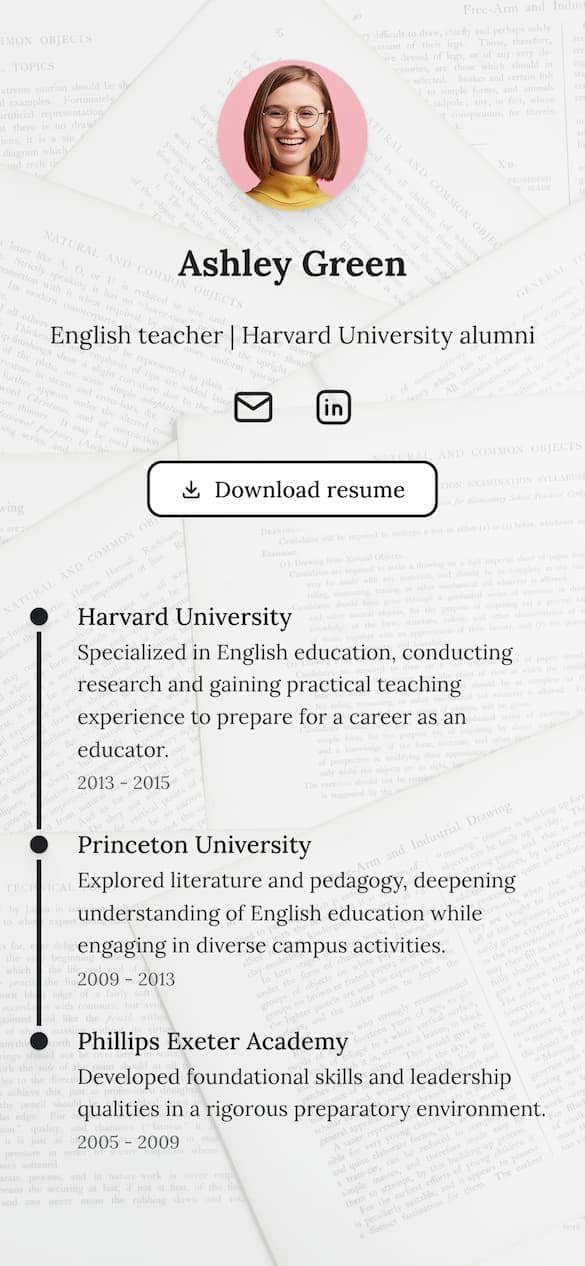
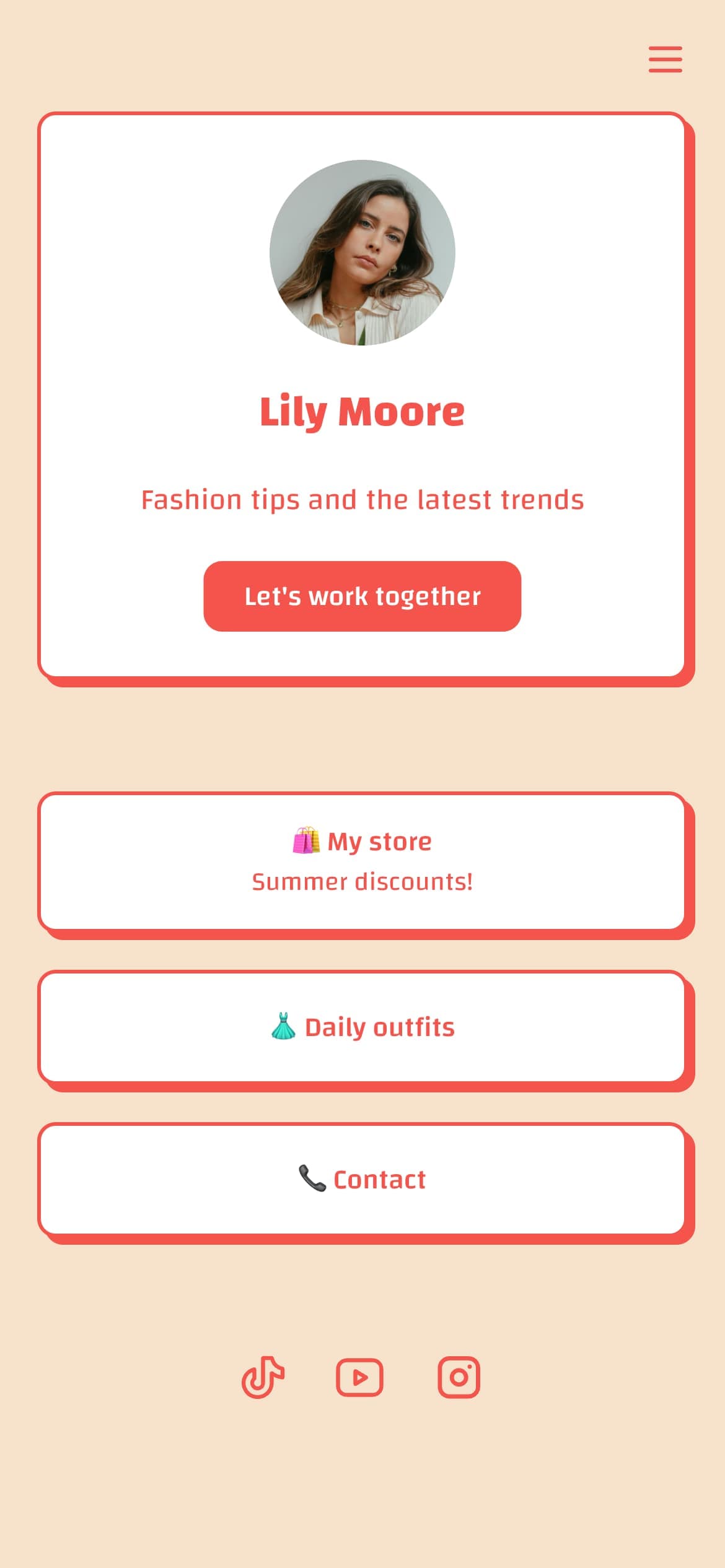
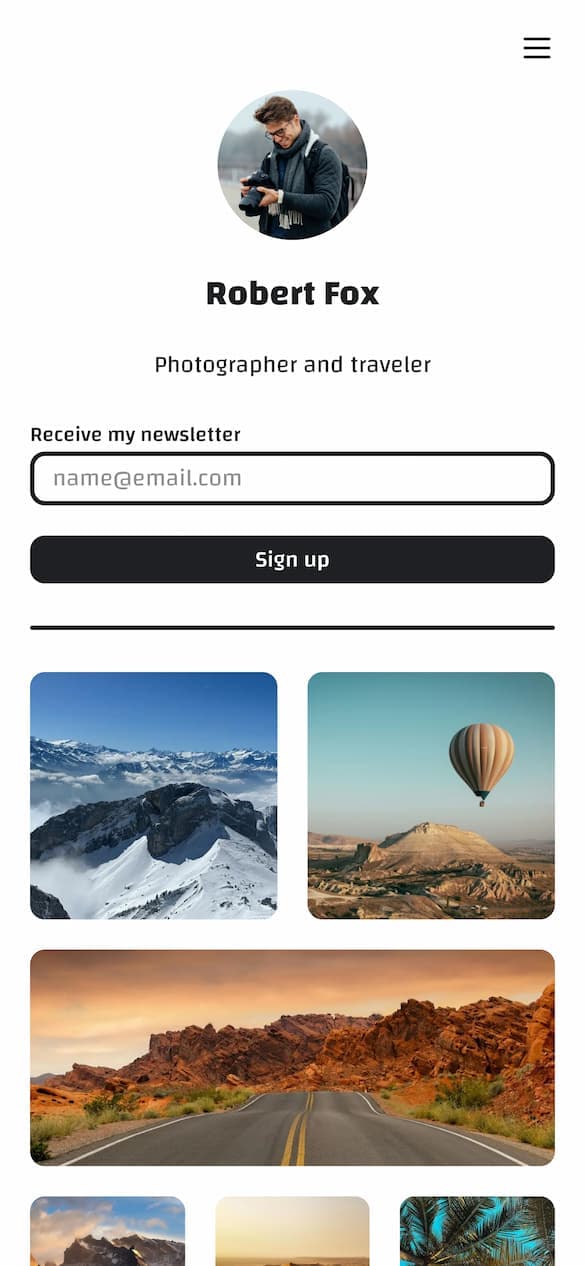
This is the bigger lesson. If your bio page is 18 random buttons with no hierarchy, Meta is right to dunk on it. The answer is not to abandon your bio page. The answer is to make it useful.
A good page should help a visitor understand three things fast:
- who you are
- what you want them to do next
- why they should trust you
If your page still looks like a desperate stack of links from 2021, that's on you.
3. Keep the bio page for everything non-commerce
Your page should become more focused on the stuff platforms won't centralize well:
- booking calls
- collecting emails
- showcasing proof
- linking to owned channels
- sending traffic to non-product destinations
- giving new visitors a clean overview of your work
That is the real shift. The workaround era gets smaller. The homepage era gets bigger.
Build Your Page in Minutes
Drag-and-drop editor with 18 content blocks, per-block styling, and custom themes.
Create your page4. Own the destination, not just the click
This is why custom domains, layout control, and analytics matter. If the destination is yours, platform changes become distribution changes, not existential threats.
That's also why the strongest creators are moving away from default-looking link pages and toward something closer to a branded mini-site. If you need the background, start with what to put on your link in bio.
Who should actually worry?
Not every creator is equally affected.
Most affected
- affiliate-heavy product creators (full breakdown in the link in bio playbook for affiliate marketers specifically)
- creators who mainly push retail items
- anyone relying on bio links as a workaround for single-product promotion
- low-differentiation link-list tools
Less affected
- consultants
- service businesses
- educators
- SaaS founders
- podcasters
- freelancers
- creators using their page as a multi-platform home base
If your business depends on one product click from one Instagram post, then yes, Meta just got closer to your lunch. If your page is your digital front desk, not just a redirect bridge, you're fine.
Does Instagram replace link in bio in 2026?
No. Instagram replaces a thin slice of what people used link in bio for.
That slice was important, but it was never the whole thing.
The better question is not "Is link in bio dead?" It's "What should a bio page be now that platforms are removing some of the old friction?"
The answer is: less dump of links, more intentional home base.
That means:
- fewer CTAs
- stronger hierarchy
- more context
- clearer offers
- better mobile experience
- a page designed to convert, not just redirect
If you're still using a generic bio page exactly like you did two years ago, the market is moving faster than you are.
FAQ
Is link in bio dead?
No. Meta is reducing one commerce-related reason people used link-in-bio tools, but creators still need a hub for everything beyond product tagging inside Instagram.
Did Meta replace Linktree?
No. Meta added a native commerce feature for eligible creators on Reels. That does not replace bio pages for newsletters, booking links, media kits, multi-platform linking, or brand-controlled pages.
Does Instagram Reels product tagging make link-in-bio tools obsolete?
Only for a narrow use case. If your tool's only purpose is redirecting people from Instagram to a single product, pressure is real. For broader creator-homepage use cases, it changes much less.
What still belongs on a bio page?
Your non-commerce links, newsletter, booking page, portfolio, media kit, lead magnet, community links, and anything that needs to work across multiple platforms still belongs on a bio page.
Do creators still need a link in bio in 2026?
Yes. They just need a better one. A thoughtful creator page still matters because platforms optimize for in-app behavior, not for your full business.
The real takeaway
Meta says the era of link in bio is over, but what it really means is the era of the lazy workaround is over.
That's not bad news. It's a cleanup.
If your bio page was only there because Instagram was annoying, some of that need is going away. But if your bio page is your homepage, your conversion layer, and your one controlled destination across platforms, then nothing essential has changed.
Use native commerce where it helps. Keep your page for everything else. And make that page worth visiting.
If you want the broader playbook, read best link in bio tools next and compare what actually matters now.
Create Your Link-in-Bio Page
All your content in one customizable page. 18 content blocks, custom domains, and built-in analytics.
Create your page