Why Link-in-Bio Is Missing from Every SMM Tool Roundup in 2026
 Marcel Cruz
Open Buffer's, Hootsuite's, Sprout Social's, or Zapier's "best social media management tools 2026" roundup, and you'll find scheduling, analytics, listening, AI assist, and unified inbox. You won't find a single link-in-bio tool. Not Linktree, not Beacons, not Linkero, not anyone. That isn't editorial bias against the category. It's how the category is framed: SMM roundups define a "tool" as something the social media manager uses to publish content, and a bio link is where the audience lands after publishing. The framing isn't wrong. But it leaves agencies with a real workflow gap, and you can see that gap bleeding through every time a client asks "where do we report the bio-link clicks?" Here is what's going on, and what to do about it.
27 Days of Roundups, Zero Bio Links
Daily intel logged 27 consecutive days of "social media manager tools 2026" search results without a single link-in-bio tool appearing in any major roundup. A quick spot-check from those probes:
- Buffer's "11 Best Social Media Management Tools in 2026" lists eleven picks, zero bio links.
- Zapier's "10 Best Social Media Management Tools" lists ten picks, zero bio links.
- Sprinklr's "9 Best SMM Tools Compared 2026" lists nine picks, zero bio links.
- Planable, Hootsuite, and Sprout Social's own SMM strategy posts follow the same shape.
The omission is consistent across publishers, formats, and intents. That kind of consistency isn't accidental, and it isn't a coordinated snub. It's the category definition driving the picks.
The Framing That Drives the Omission
Walk through how an SMM roundup gets built. The author starts from a definition of what an SMM tool does for the social media manager's workflow:
- Publish. Schedule and cross-post (Buffer, Hootsuite, Later, Planable).
- Analyze. Performance reporting (Sprout, Buffer Analyze).
- Listen. Brand mentions and trend tracking (Sprinklr, Brandwatch).
- Engage. Unified inbox, DMs, replies (Sprout, Hootsuite).
- Optimize. AI-assisted copy, image generation, hashtag research.
A bio link doesn't sit inside any of those workflows. It's where the click lands after the social manager publishes a post. So by the working definition, it's a destination, not a tool. Roundup authors aren't excluding the category on purpose. They're working from a definition that doesn't include it. That's why even publishers who own a link-in-bio product (Buffer ships Start Page; Hootsuite ships OwlyWriter alongside scheduling) still write their main SMM roundups without bio-link picks. Different category, different roundup.
The Workflow Gap This Creates for Agencies
The framing is internally consistent. The problem is that the agency reality doesn't respect the boundary. Here is what actually happens between the social manager and the conversion:
- The social manager schedules a TikTok in Buffer, then publishes it.
- The TikTok pushes traffic to the client's bio link in the profile.
- The bio link page lives in a different tool (Linktree, Bio.Sites, Linkero, or a static page).
- Click attribution stops at the bio link, instead of continuing through to the final destination.
- Agencies wing the bio-link reporting, because the SMM stack doesn't surface any of it.
The bio link isn't a peripheral concern. It's the only owned surface between the social post and the conversion event. Skipping it in the stack means skipping it in the reporting, the QA, and the client onboarding too.
What Agencies Lose When Bio Link Lives Outside the SMM Stack
Five concrete costs show up the moment an agency tries to operate at five-plus clients:
- Attribution. The SMM tool says "post got 12,000 views." The bio-link tool says "page got 800 clicks." Nobody connects the two unless someone exports both and cross-references manually.
- Reporting overhead. Client reports cross-reference two dashboards every cycle. With a dozen clients, that's hours per week of copy-pasting.
- Multi-client mess. Most SMM tools manage 20-plus client accounts from a single workspace. Most bio-link tools handle one page per login, which forces the social manager to share passwords or juggle a folder of bookmarks.
- Brand consistency. Bio link styling drifts away from each client's brand because nobody owns the page in the SMM tool's workflow. The strategist sees a Notion brief; the social manager sees a Buffer queue; the client sees an off-brand bio page.
- CTA testing. Bio-link CTA testing is invisible to the social workflow. Nobody tests "Book a call" vs "See the menu" because nobody's running experiments where the SMM stack can't see results.
Each of these is a small tax. Across a year of client retainers, they add up to a meaningful chunk of the team's time that disappears into reconciliation work no client ever sees.
Create Your Link-in-Bio Page
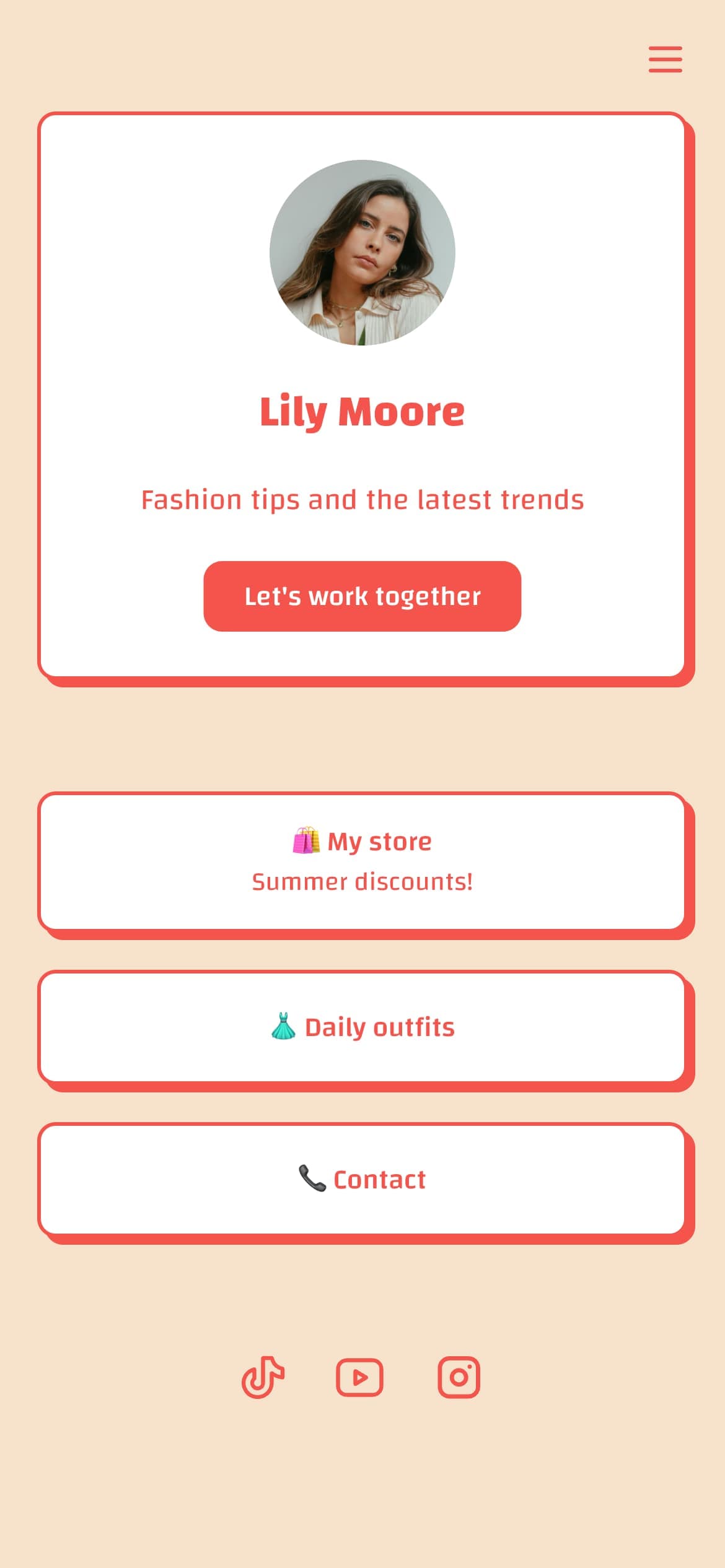
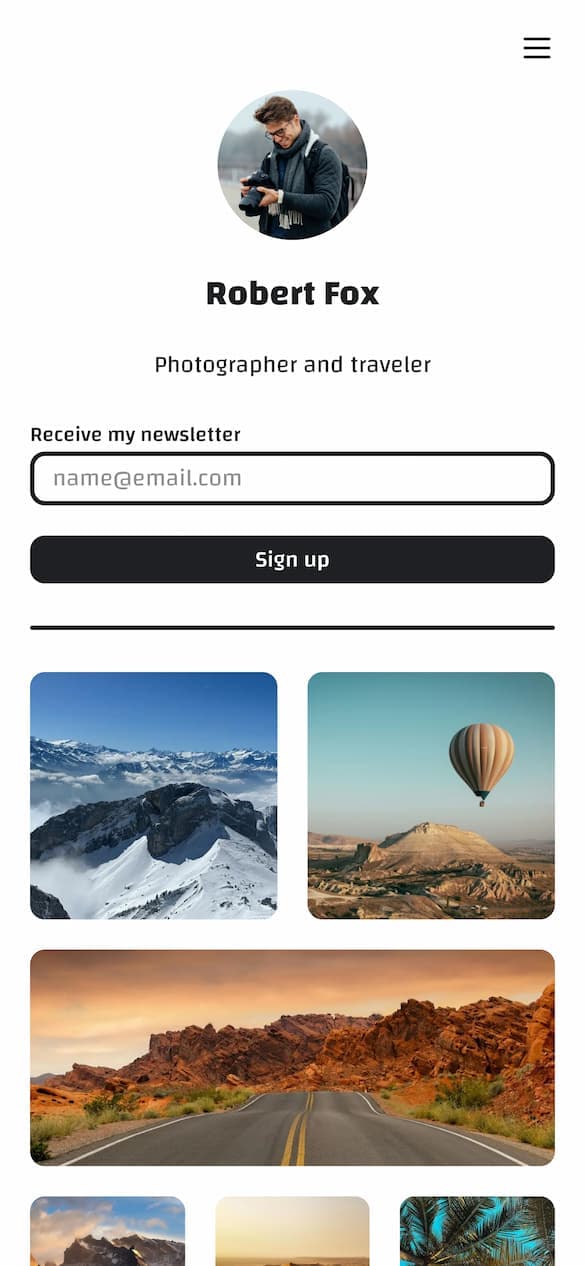
All your content in one customizable page. 18 content blocks, custom domains, and built-in analytics.
Create your pageThe Honest Reframe: Bio Link Is the Last Mile of the SMM Stack
The fix is not to argue that the roundup authors are wrong. They aren't. The fix is to treat bio link as the publishing-destination layer of the SMM stack, not as a competing tool inside it. Same way /blog is the destination layer for a content-marketing stack, or a landing page is the destination layer for paid ads.
The right question isn't "is link-in-bio an SMM tool?" The right question is "what does my SMM workflow need on the destination side?" The honest answer for any agency above a single client is: a tool with multi-page management, per-client analytics, and team-seat access so the strategist, the social manager, and the designer can all touch the page without sharing passwords.
The Useful Agency Stack (Bio Link Included)
A real 2026 agency stack has five layers, not four. Showing the slot in context makes the gap obvious:
- Scheduling: Buffer, Hootsuite, Later, Planable.
- Analytics: Buffer Analyze, Sprout Social Insights, Whatagraph.
- Listening: Sprinklr, Brandwatch, Mention.
- AI assist: Buffer AI, Sprout's Generative AI, Hootsuite OwlyWriter.
- Bio link (the missing layer): Linkero Agency for multi-client management with a branded dashboard and team invites.
For agencies running five to twenty clients, the bio-link layer needs to support three things at minimum: multi-page management from one workspace, per-client analytics, and team-seat access for the account manager, the social media manager, and the designer. See our link in bio for agencies guide for the full feature shortlist, and the agency tool stack overview for how the layers fit together across a real client engagement.
Why Bio.Sites and Linktree Free Aren't the Agency Answer
The roundup omission has a side effect. It pushes new agencies toward the consumer-tier bio-link products by default, because those are the names they've heard. Those products are not built for the agency workflow:
- Bio.Sites by Squarespace. One page per login, no multi-client management, no white-label. Solo creator product, priced for solo creators. Reviewed in detail in our bio.sites review.
- Linktree free and Pro. Single page per login, single user. The Enterprise tier exists, but pricing is custom-quote only and it isn't built around a multi-client agency workflow. See how to manage multiple client pages for what that workflow actually requires.
- Linkero Agency. Built for the multi-client workflow from the start: up to 25 client pages from one workspace, a branded dashboard, folders, and team invites. Live plan rates and feature breakdown on the pricing page.
This is the third structural reason the roundup gap matters. The agencies that don't know to look for an agency-tier bio-link tool default to consumer-tier tools and then absorb the workflow tax indefinitely.
What to Add to Your Client Report When Bio Link Joins the Stack
Once the bio link is in the stack, the client report changes shape. The bottom of every monthly report should carry three lines the SMM tools alone cannot produce:
- Posts published (from the scheduler).
- Reach and engagement (from the analytics tool).
- Bio link clicks (from the bio link tool).
- Top-performing blocks on the bio page.
- Click-through rate by traffic source.
- CTA conversion (sign-ups, bookings, sales).
The last three lines turn "we got 50,000 views" into "we got 50,000 views, 1,800 bio clicks, 420 booking-link clicks, 38 confirmed bookings." That's a real client report. See link-in-bio analytics: what to track for the full reporting breakdown.
FAQ
What's the difference between a link-in-bio tool and an SMM tool? SMM tools help the social media manager publish, analyze, listen, and engage. Bio link tools host the page where the audience lands after clicking the bio link. Same workflow, different layer.
Do agencies need a link-in-bio tool? Yes, if you manage clients' social presence end-to-end. The bio link is the only owned surface between the social post and the conversion event, and somebody on the team has to own it.
Can Buffer or Hootsuite manage bio links? Not in the SMM workflow. Buffer ships a separate product called Start Page; Hootsuite doesn't own a bio-link product directly. Neither lets the account manager run multi-client bio pages from inside the SMM tool.
What's the best SMM stack for 2026? Scheduler + analytics + listening + AI assist + bio link. The bio link is the missing layer in most published roundups.
How do agencies report on bio link clicks? Pull from the bio link tool's dashboard and append to the client report, or use a bio link tool with native multi-client export so the strategist isn't copy-pasting from twenty dashboards every cycle.
Why isn't link-in-bio in SMM tool comparisons? Category framing. SMM means publishing tools; bio link is the destination. The framing isn't wrong, but it leaves a workflow gap that costs agencies time on reporting and quality on brand consistency.
The Honest Take
SMM roundup authors aren't ignoring bio links out of malice. They're using a category definition that excludes them by construction. The result is a real workflow gap that costs agencies time on reporting and quality on brand consistency. The fix isn't to argue with the roundup taxonomy. The fix is to treat the bio link as the publishing-destination layer of the SMM stack, and to pick a bio-link tool built for multi-client management.
Create Your Link-in-Bio Page
All your content in one customizable page. 18 content blocks, custom domains, and built-in analytics.
Create your page