12 Social Media Profile Examples That Stand Out in 2026
 Marcel Cruz
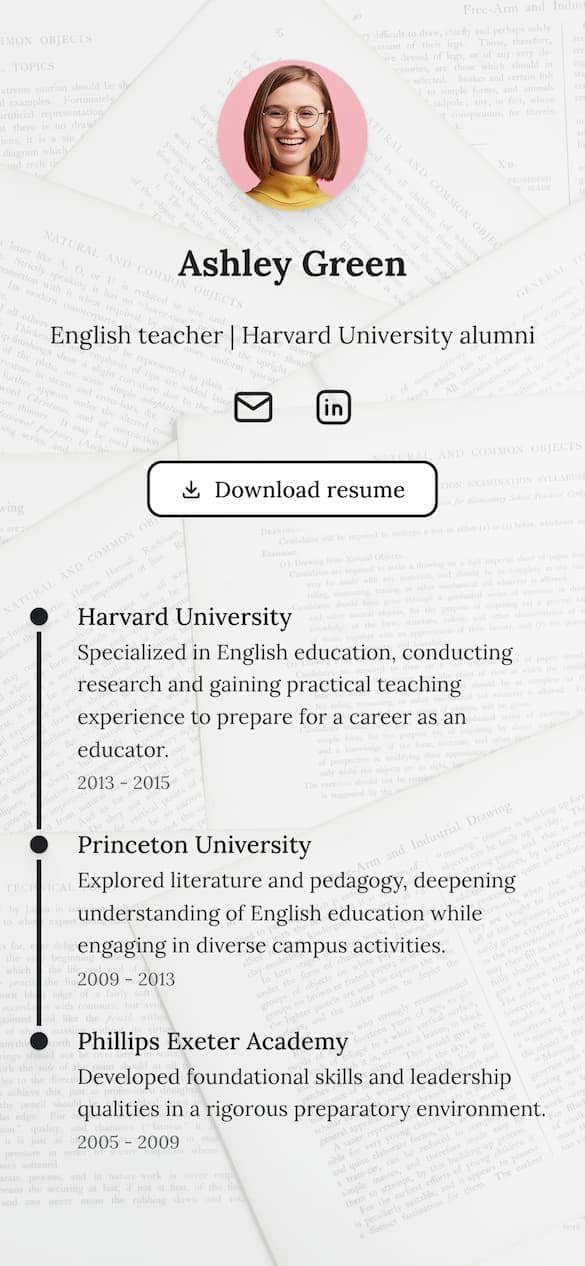
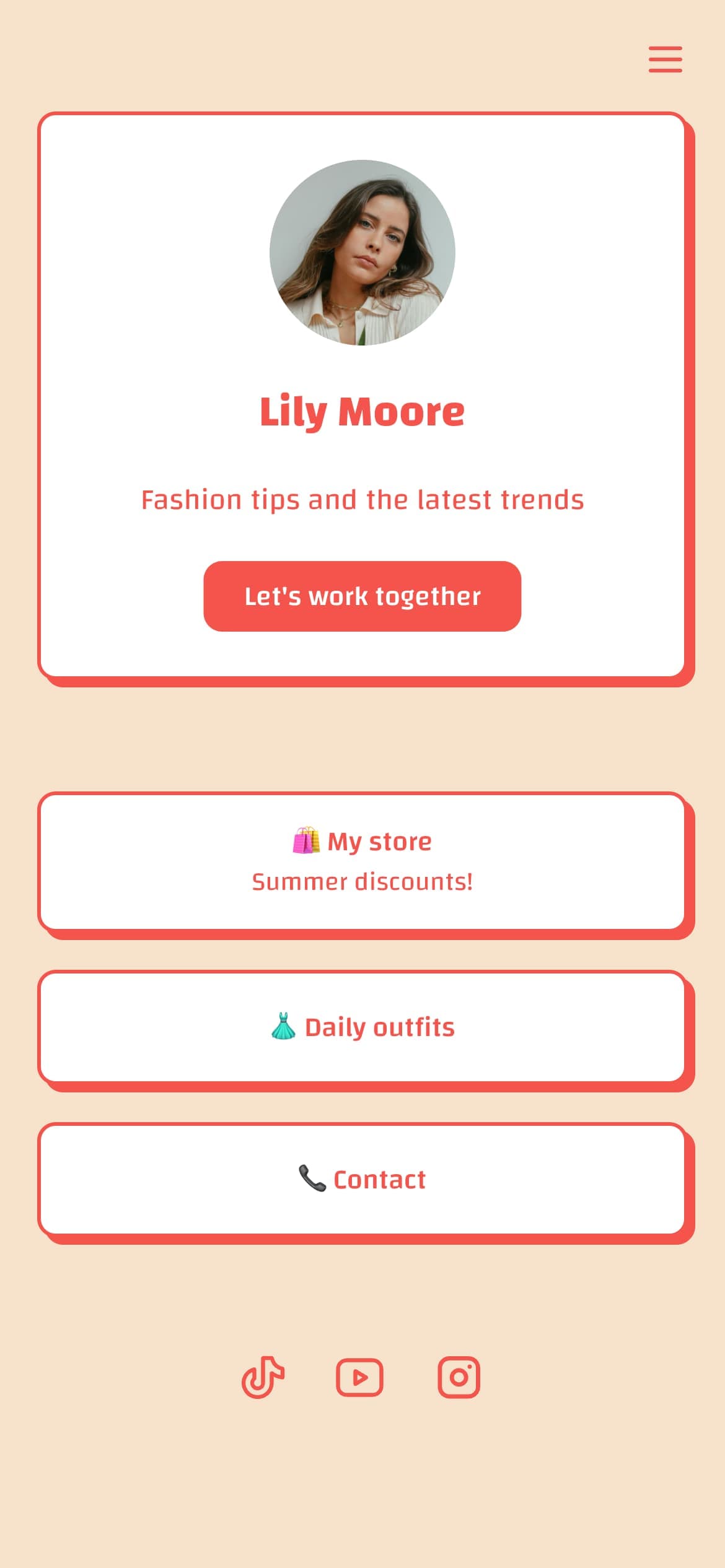
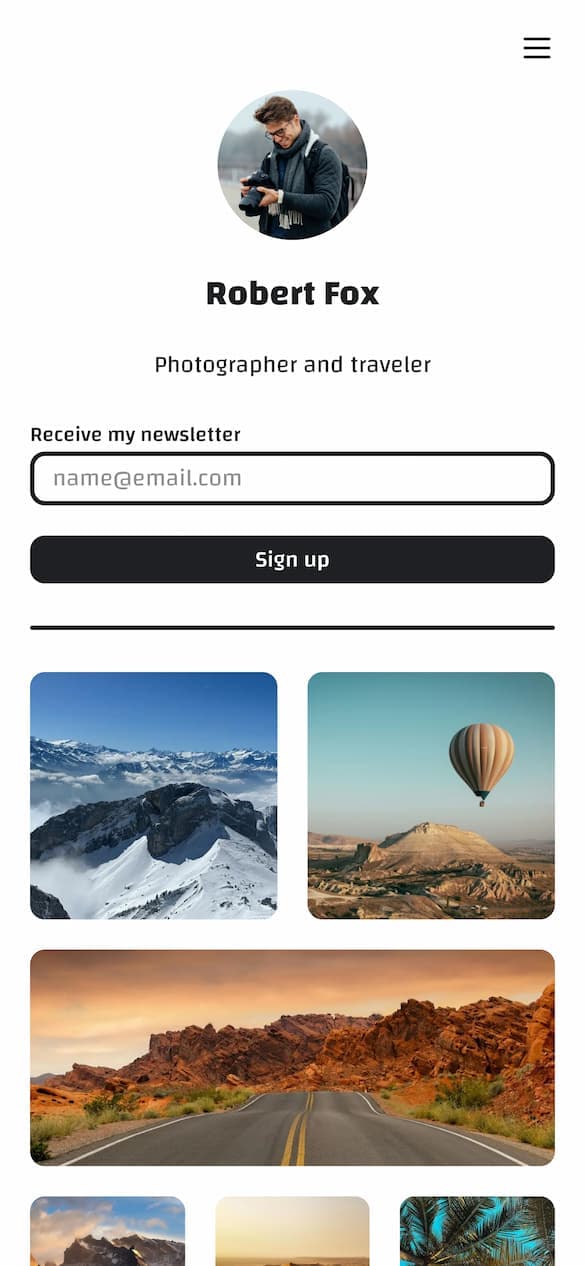
A strong social media profile in 2026 combines four elements: a specific angle that only your brand can own, a recognizable visual identity, a bio that tells visitors what they get if they follow, and a single high-intent link out (a link in bio page, in most cases). Vague profiles get ignored. Specific ones get followed, screenshotted, and copied.
The 12 social media profile examples below show that formula in action across Instagram, TikTok, Threads, YouTube, LinkedIn, X, and Facebook. Each one picked a lane, stayed in it, and built a following that the algorithm now feeds for free.
Nike skips hashtags and lets the imagery speak. Wendy's turned corporate fast-food Twitter into a comedy account. MoonPie tweets like a sentient snack having an existential crisis. Here are the profiles doing something specific and interesting, and exactly why each one works.
What changed in 2026
Profile design rules shifted this year. TikTok now caps creators at one bio link (no in-app aggregators), Meta added caption links for verified accounts on Instagram and Reels, and Threads crossed 200M+ active users with its own profile-link surface separate from Instagram. The profiles below either anticipated these changes or adapted to them. If you're building a profile from scratch in 2026, plan for one bio link that survives the next round of platform-native link changes.
1. Nike on Instagram
Nike's Instagram profile (@nike) is a masterclass in visual storytelling. It demonstrates how brands can connect powerfully with their audience by "showing, not telling." Nike relies heavily on impactful imagery and minimal text, effectively promoting products while cultivating a sense of community and inspiration.
Key Features of Nike's Instagram Success
- Concise Bio: "JUST DO IT. @nikesportswear @nikebasketball @nikefootball @nikerunning" succinctly highlights their slogan and cross-promotes sub-brands.
- Consistent Visuals: High-quality, professional imagery creates a consistent and instantly recognizable aesthetic.
- Minimal Hashtags: Nike rarely uses hashtags, relying on brand recognition and engaging content.
- Strategic Highlights: Instagram Highlights showcase product lines, campaigns, and collaborations, providing accessible information.
- Clean Aesthetic: The overall profile maintains a clean, minimalist approach, emphasizing the visuals.
Pros of Nike's Instagram Strategy
- Strong Brand Identity: The visual style reinforces Nike's brand without needing lengthy explanations.
- Compelling Storytelling: Images and videos evoke emotion and build narratives around products and values.
- Effective Cross-Promotion: The bio and linked accounts seamlessly guide followers to specialized content.
- Consistent Engagement: Regular, high-quality posts maintain audience engagement.
- Inspirational Content: Content featuring athletes and promoting an active lifestyle resonates with the target audience.
Cons of Nike's Instagram Strategy
- Limited Product Details: The focus on lifestyle can sometimes overshadow detailed product information.
- Reliance on Brand Recognition: The minimalist approach may not be as effective for smaller brands.
- Potential for More Interaction: While content generates views and likes, direct interaction with followers could be increased.
Examples of Successful Campaigns
- "Play New" Campaign: This campaign featured everyday athletes, encouraging participation in sports and broadening their audience.
- Celebrity Endorsements: Product launches featuring athletes like LeBron James, Serena Williams, and Cristiano Ronaldo amplify reach and impact.
- Subtle Branding of Sports Moments: Sharing iconic sports moments with minimal branding strengthens their connection to athletic achievement.
Tips for Implementing a Similar Approach
- Invest in Quality Visuals: Use professional photography and videography aligned with your brand.
- Craft a Concise Bio: Clearly communicate your brand's essence and link to relevant resources.
- Maintain a Consistent Style: Create a recognizable visual identity through consistent colors, filters, and composition.
- Prioritize Storytelling: Engage your audience with narratives that create emotional connections.
- Utilize Instagram Stories: Share behind-the-scenes content, quick updates, and interactive elements on Stories.
Nike’s Instagram strategy developed organically. Initially used for product announcements, it evolved to prioritize storytelling and inspiration. Featuring prominent athletes like LeBron James, Serena Williams, and Cristiano Ronaldo elevated the brand's presence and reach.
Nike's approach is noteworthy because it demonstrates how a global brand maintains a strong social media presence without aggressive selling. It showcases the power of visual storytelling and brand building.
2. Wendy's Twitter Profile
Wendy's Twitter profile is a perfect example of how a unique and engaging social media presence can refresh a brand's image and drive impressive results. Instead of the typical, corporate tone often seen in the fast-food industry, Wendy's chose a humorous, sarcastic, and often sassy personality that connects with younger audiences. This personality-driven strategy hasn't just boosted engagement; it's made Wendy's a social media innovator.
Wendy's success comes from a few key ingredients: consistent humor and sarcasm, a conversational style when interacting with customers, real-time engagement with current events, a willingness to playfully "roast" competitors and followers, and the smart use of pop culture references and memes. This distinctive voice makes the brand feel relatable and approachable.
How It Evolved
Wendy's social media transformation started around 2017, largely influenced by then-social media manager Amy Brown. They shifted away from standard promotional posts and adopted a bolder, more interactive strategy. This involved actively engaging with followers, replying to comments with witty remarks, and joining trending conversations with a distinct brand voice.
Examples of Success
- #NationalRoastDay: Wendy's annual #NationalRoastDay, where they roast other brands and willing followers, has become a major social media event, creating huge engagement and brand awareness.
- The Ongoing "Beef" with McDonald's: Wendy's regularly pokes fun at McDonald's, especially their use of frozen beef. This playful rivalry generates consistent buzz and reinforces Wendy's fresh beef message.
- The "Nuggs for Carter" Campaign: Wendy's skillful handling of Carter Wilkerson's quest for 18 million retweets in exchange for free nuggets showed their ability to use viral moments for successful marketing.
Pros
- Exceptional Engagement: Wendy's boasts much higher engagement than the fast-food industry average.
- Distinct Brand Voice: They've created a unique identity in a competitive market.
- Free Publicity: Viral tweets and social media buzz generate valuable free publicity.
- Appeals to Younger Demographics: The humorous and relatable style resonates with younger audiences.
- Humanizes the Brand: This personality-driven approach makes the brand feel more personable and less corporate.
Cons
- Risk of Backfire: Edgy humor can be risky and might alienate some customers.
- Not Universally Applicable: This strategy isn't right for every brand or industry.
- Requires Dedicated Team: Maintaining this level of engagement needs a dedicated social media team with excellent writing skills and quick wit.
- Can Overshadow Product Information: The focus on humor can sometimes overshadow product details and promotions.
Tips for Implementation
- Develop a Consistent Brand Voice: Make sure your brand's personality is clear in every interaction. Authenticity is crucial.
- Respond Quickly to Trending Topics: Use relevant trending topics to boost visibility and engagement.
- Don't Be Afraid to Show Personality and Humor: Humor and personality can make your brand more relatable.
- Set Clear Guidelines: Establish clear content guidelines to avoid PR problems.
- Streamlined Approval Processes: Create approval processes that allow for quick responses to trending topics and real-time events.
Visit Wendy's on Twitter
Wendy's deserves a place on this list because it proves the power of a well-developed social media personality. It demonstrates how brands can use humor, real-time engagement, and a conversational approach to build a loyal following, generate significant buzz, and drive business results. Their strategy is a valuable case study for anyone looking to create a truly engaging and impactful social media presence.
3. National Geographic on Instagram
National Geographic (@natgeo) sets a high bar for educational content on Instagram. With over 250 million followers, their profile seamlessly blends stunning photography with informative captions. This offers a compelling mix of entertainment and education, all while furthering their conservation efforts. It's a perfect example of visual storytelling's power.
Why does National Geographic deserve a spot on this list? Their success shows how a legacy brand can effectively adapt to a modern digital platform like Instagram. They've cultivated a thriving community, inspiring millions and promoting environmental awareness. Their strategy offers valuable lessons for building an engaged audience.
Key Features and Benefits
-
Exceptional Professional Photography: Nat Geo's access to world-renowned photographers is key to their success. The stunning visuals immediately capture attention and distinguish them from the crowd.
-
Educational Captions with Storytelling Elements: They go beyond just posting pretty pictures. Captions provide context, background stories, and fascinating facts, enriching the experience and encouraging interaction.
-
Global Contributors and Photographers: This diversity of perspectives showcases a wide array of environments, cultures, and wildlife, appealing to a broad audience.
-
Clear Mission Statement (Bio): "Experience the world through the eyes of National Geographic photographers" succinctly communicates their purpose and brand identity.
-
Themed Content Series (e.g., Wildlife Wednesday): Recurring themes generate anticipation and provide structure for consistent content.
Pros and Cons of Their Approach
Pros:
- Leverages core strength (photography) for social media success.
- Educational content encourages sharing.
- Builds on existing brand reputation.
- Effectively promotes conservation.
- Creates emotional connections through visuals.
Cons:
- High production value may be difficult for others to replicate.
- Requires access to professional-quality content.
- Long captions may not be read fully.
Real-World Examples From Their Feed
-
Photo Essay Series: Combining multiple images and captions to tell compelling environmental stories.
-
Photographer Takeovers: Allowing individual photographers to showcase their work and personal experiences.
-
Behind-the-Scenes Content: Offering a glimpse into the process of capturing these incredible images.
Evolution and Growth on Instagram
Nat Geo’s Instagram presence grew organically from their established reputation for visual storytelling. Under the leadership of Editor-in-Chief Susan Goldberg, and with contributions from photographers like Paul Nicklen and Ami Vitale, they embraced the platform to reach and connect with a new generation.
Practical Tips for Implementing Similar Strategies
-
Focus on high-quality visuals aligned with your brand. Strive for the best visual quality possible, even without world-renowned photographers.
-
Use captions to add context and depth. Tell stories, share information, and encourage conversation.
-
Create consistent series. This builds community and encourages regular interaction.
-
Partner with content creators who align with your vision. Collaboration can expand your reach and introduce fresh perspectives.
-
Balance entertainment with education. Keep your audience engaged while providing value.
Visit National Geographic on Instagram
4. GoPro on YouTube
GoPro's YouTube channel (youtube.com/user/GoProCamera) is a prime example of a successful user-generated content (UGC) strategy. Instead of simply showcasing products, GoPro has cultivated a vibrant hub highlighting the incredible content you can create with their cameras. This approach effectively transforms customers into brand advocates, simultaneously demonstrating the cameras' capabilities in real-world scenarios, often extreme. This is a key reason for its inclusion in any discussion of top social media profile examples.
GoPro's success is built upon several key features:
-
User-Generated Content (UGC): UGC is the core of their content strategy. This ensures a constant flow of fresh perspectives and user-captured experiences.
-
High-Energy, Adventure-Focused Videos: The content aligns perfectly with the GoPro brand, emphasizing dynamic action and stunning visuals. This creates an aspirational feeling, resonating with their target demographic.
-
Clear Branding: Consistent intros, outros, and a distinct editing style maintain a cohesive brand identity across all videos.
-
Organized Playlists: Content is carefully organized into playlists by activity (surfing, skiing, snowboarding, diving, etc.). This allows viewers to easily find content that interests them.
-
Regular 'Award' Series: GoPro encourages high-quality UGC by regularly featuring the best community submissions in dedicated "Awards" series. This fosters a sense of community and rewards creative content.
Pros and Cons of GoPro's YouTube Strategy
Understanding the strengths and weaknesses of this approach is crucial for any business considering a similar strategy.
Pros:
-
Authenticity: Showing product capabilities through genuine user experiences builds trust and credibility.
-
Aspirational Content: Inspires potential customers by showcasing exciting possibilities.
-
Community Building: Cultivates a strong community among GoPro users.
-
Cost-Effective: Reduces content production costs by leveraging user-generated content.
-
Versatility: Demonstrates product versatility across various environments and activities.
Cons:
-
Content Dependency: Reliance on community submissions can sometimes result in inconsistent content flow.
-
Variable Quality: UGC quality can vary, requiring careful curation and selection.
-
Niche Appeal: Primarily appeals to adventure and extreme sports enthusiasts, potentially limiting broader reach.
Examples of Successful GoPro Campaigns
Several campaigns highlight the effectiveness of GoPro's UGC strategy.
-
Million Dollar Challenge: This campaign invites users to submit footage for a chance to be featured in a highlight reel and win a share of a million dollars, generating significant buzz and high-quality UGC.
-
Hero Series Launches: GoPro often uses compiled user footage to showcase the capabilities of new camera models, offering compelling social proof.
-
Awards Series: Regularly highlighting the best community content further incentivizes participation and showcases the creative potential of the GoPro community.
Tips for Implementing a UGC Strategy
Here are some actionable tips inspired by GoPro's success:
-
Clear Submission Guidelines: Provide clear guidelines for content submission (resolution, length, theme, etc.).
-
Branded Templates/Effects: Consider developing branded templates or effects users can apply to their videos for a consistent look.
-
Recognize and Reward: Publicly acknowledge and reward top contributors to encourage continued participation.
-
Themed Compilations: Curate themed compilations of user-generated content around activities relevant to your product.
-
Balance: Maintain a balance between professionally produced content and UGC to ensure quality and brand consistency.
GoPro's YouTube strategy, spearheaded by founder Nick Woodman and fueled by contributions from professional athletes like Shaun White and Kelly Slater, along with everyday extreme sports enthusiasts, has become a model for successful UGC marketing. By empowering users and showcasing their creativity, GoPro has built a thriving online community and solidified its position as a leader in action camera technology.
5. Glossier on Instagram
Glossier's Instagram profile (@glossier) provides a perfect example of building a thriving online brand community and using it for marketing success. Their approach, focusing on authentic engagement and user-generated content (UGC) within a carefully designed aesthetic, has changed beauty marketing, turning customers into enthusiastic brand advocates. This earned them a place on this list as a leading example of effectively building a brand on social media.
Glossier's success comes from a community-first strategy. Instead of traditional advertising, they built a loyal following by showing real people using their products. This resonated with millennial and Gen Z audiences, who value authenticity and relatability. Their consistent pastel color palette and minimalist aesthetic, known as "Glossier pink," creates instant brand recognition and an aspirational yet accessible feel. This, along with diverse representation of skin tones and types, makes beauty more inclusive and less intimidating.
Key Features & Benefits
-
User-Generated Content (UGC): Glossier cleverly reposts customer photos and videos, showing their products in everyday situations. This builds strong social proof and a sense of community.
-
Consistent Aesthetic: The "Glossier pink" and minimalist visuals maintain brand consistency across posts, strengthening brand recognition.
-
Diverse Representation: Showing real customers with diverse skin tones, types, and backgrounds makes the brand relatable and welcoming.
-
Behind-the-Scenes Content: Sharing insights into product development and company culture creates transparency and a deeper connection with their audience.
-
Interactive Stories: Polls, questions, and other interactive elements within Instagram Stories encourage direct engagement and gather valuable customer feedback.
Pros
-
Authentic Social Proof: UGC builds trust and credibility more effectively than traditional advertising.
-
Strong Community Building: Customers feel part of something larger than just a brand.
-
Instant Brand Recognition: The consistent aesthetic makes Glossier immediately recognizable on social media.
-
Accessible Beauty: Diverse representation and real-life product application makes beauty feel achievable for everyone.
Cons
-
Aesthetic Limitations: The distinct aesthetic, while successful, may restrict future creative exploration.
-
Platform Dependence: Relying heavily on Instagram leaves the brand exposed to algorithm changes and platform issues.
-
Community Management: This strategy demands dedicated resources for active community management and content moderation.
Real-World Examples
-
#glossierpink: This branded hashtag campaign encouraged users to share photos featuring Glossier pink, building a visually engaging community feed.
-
Product Launch Campaigns: Glossier often features real customers testing and reviewing new products pre-launch, building excitement and anticipation.
-
Into The Gloss Integration: Integrating their blog, Into The Gloss, with social media creates a multi-platform brand experience.
Tips for Implementation
-
Develop a Recognizable Visual Identity: Choose a consistent color palette, typography, and overall aesthetic.
-
Feature Real Customers: Showcase the diversity of your customer base.
-
Create Branded Hashtags: Encourage UGC with unique hashtags.
-
Share Behind-the-Scenes Content: Reveal your brand's personality and values.
-
Use Polls and Questions: Gather feedback and encourage interaction.
Glossier's Instagram success is thanks to founder Emily Weiss's vision, early adoption by millennial beauty influencers, and the strong community around the Into The Gloss blog. These factors combined to make Glossier a social media marketing leader. Studying their methods offers businesses and creators valuable lessons in community building, authentic engagement, and the power of a consistent brand aesthetic.
Create Your Link-in-Bio Page
All your content in one customizable page. 18 content blocks, custom domains, and built-in analytics.
Create your page6. Elon Musk's Twitter/X Profile
Elon Musk's Twitter/X profile is a compelling example of how to use social media for personal branding and direct communication. His account, boasting one of the largest followings worldwide, isn't just for company announcements. It's a dynamic communication hub where he shares his thoughts, interacts with followers, posts memes, and provides real-time insights into his businesses, like Tesla and SpaceX. This approach creates an unusual level of access to a highly influential individual.
Musk's communication style is characterized by several key features. He maintains an informal, conversational tone, effortlessly blending business updates with personal posts. Direct engagement with his followers, answering questions and responding to criticism, is a core element. He also uses the platform to share real-time updates about Tesla, SpaceX, and his other ventures, often bypassing traditional media outlets. Finally, his willingness to express controversial and unfiltered opinions, although at times risky, contributes to his unique online persona.
This approach yields numerous benefits. It cultivates a sense of transparency and accessibility, generating substantial free publicity for his companies. This direct communication also builds a personal connection with customers and investors. Furthermore, Musk's pronouncements can significantly impact markets and public opinion, illustrating social media's power in the modern era.
Examples of Musk's Social Media Influence
- His tweets about cryptocurrency have noticeably affected market values.
- Product announcements frequently precede official company releases, creating excitement and anticipation.
- He has engaged in real-time problem-solving with Tesla customers directly on the platform.
- He has offered behind-the-scenes glimpses into SpaceX launches.
However, this unfiltered approach isn't without its drawbacks. Controversial statements have resulted in legal battles and fines. Inconsistent messaging has occasionally influenced company stock prices. The blurred distinction between personal opinion and official company statements can sometimes create confusion. It's important to recognize that this approach is highly reliant on individual personality and might not be easily replicated.
Key Takeaways for Your Own Social Media Strategy
If you're interested in adapting some of Musk's strategies, consider a balanced approach:
- Carefully consider the ratio of personal to professional content.
- Understand the potential market impact of your statements.
- Use humor strategically, but be mindful of potential misinterpretations.
- Respond directly to customer concerns to build loyalty and trust.
- Share authentic behind-the-scenes content to foster connection and transparency.
Musk's Twitter/X strategy, while contentious, has undeniably built his brand and shaped his companies' narratives. Its evolution, closely followed by journalists and the Tesla and SpaceX communities, reveals the dynamic and ever-growing power of social media. While his approach isn't universally advisable, it offers valuable insights into direct communication, personal branding, and maximizing social media's impact.
7. Airbnb on Instagram
Airbnb's Instagram profile (@airbnb) is a prime example of effective social media marketing. It demonstrates how a platform can successfully combine aspirational content with real business outcomes. Airbnb earns its place on this list by showcasing how stunning visuals and compelling storytelling can drive both engagement and bookings. Instead of simply advertising properties, Airbnb transforms its product (unique accommodations worldwide) into a source of travel inspiration, encouraging users to dream, explore, and book their next adventure.
Features that Fuel Engagement
-
High-Quality Photography: Airbnb prioritizes professional photography that captures the unique charm and amenities of each featured property. This high standard of visual content is crucial to their success.
-
Strategic Location Tagging: Every post meticulously tags the property's location, simplifying the discovery of new destinations for users and increasing local visibility.
-
User-Generated Content: Airbnb skillfully incorporates user-generated content from both guests and hosts, enhancing authenticity and providing social proof within their feed. This approach builds community and encourages interaction.
-
Compelling Storytelling: Airbnb goes beyond simply showcasing attractive images. They create narratives around properties and destinations, highlighting unique features and historical context.
-
Themed Content Collections: From seasonal travel guides to curated lists of unusual stays (treehouses, yurts, etc.), Airbnb develops themed content that connects with specific travel interests and motivates bookings.
Pros of Airbnb's Approach
-
Direct Product Showcase: The content directly displays the diverse range of accommodations, enabling users to visually explore and imagine themselves in those spaces.
-
Inspiration to Booking Conversion: The aspirational quality of the content ignites a desire to travel and directly influences booking choices.
-
Building Desire for Unique Experiences: Airbnb effectively presents its unique properties as more than just places to sleep; they become desirable experiences.
-
Community Building: Showcasing hosts and their stories strengthens the Airbnb community and fosters trust and connection.
-
Improved Discoverability: Consistent and effective use of location tags enhances the discoverability of both properties and destinations.
Cons to Consider
-
High Expectations: The consistently stunning visuals could create unrealistic expectations regarding property aesthetics, potentially disappointing some guests.
-
Potential for Over-Representation: The platform might inadvertently over-represent the most visually appealing properties, possibly overshadowing other equally valuable listings.
-
Resource Intensive: Maintaining this level of quality requires ongoing access to fresh and engaging visual content, representing a significant investment.
Real-World Examples & Evolution
Airbnb's Instagram success stems from campaigns like #NotYetTrending, which highlighted lesser-known destinations, and their "Unique Stays" series showcasing unconventional accommodations like treehouses and houseboats. These campaigns, combined with collaborations with travel influencers and featured hosts, boosted the platform's popularity and established its distinctive visual style. The strategy has evolved to include more user-generated content and an emphasis on experiences beyond just lodging.
Tips for Implementation
-
Showcase Your Product Aspirationally, But Authentically: Present your product or service in a way that inspires desire while staying true to its actual value.
-
Develop Thematic Content Pillars: Create content themes aligned with your business objectives and resonate with your target demographic.
-
Highlight Your Community: Feature your customers or clients as central figures in your brand narrative.
-
Leverage Location Tagging: Strategically use location tags to improve local discoverability and expand audience reach.
-
Cultivate a Recognizable Visual Identity: Develop a consistent photographic style that reflects your brand aesthetic and distinguishes you from competitors.
8. Oreo on Facebook
Oreo's Facebook presence demonstrates skillful reactive marketing and a consistent brand voice. It's a great example of how a simple product can stay culturally relevant and drive engagement with clever content. This approach has increased brand awareness and built a strong community around the cookie. Oreo provides a model for using social media to connect with an audience authentically and creatively.
One of Oreo's best-known moments, the "Dunk in the Dark" tweet during the 2013 Super Bowl blackout, exemplifies their reactive marketing. Though originating on Twitter, the quick response and witty copy spread to other platforms like Facebook. Developed by Oreo's marketing team at Mondelez and the agency 360i, it became a case study in agile marketing. Pre-approved campaign elements allowed them to post the image quickly, gaining massive attention. This highlighted the importance of brand guidelines and approvals for real-time opportunities.
Beyond reactive marketing, Oreo maintains a consistent, playful tone across its content, strengthening its family-friendly image. Their Facebook page features creative product presentations showcasing the cookie in various ways. From the "Daily Twist" campaign, with 100 days of Oreo art inspired by current events, to limited-edition Game of Thrones Oreo content, they consistently find innovative ways to present their product. This keeps the brand fresh and exciting.
Features of Oreo's Facebook Strategy
- Timely content related to cultural events and holidays
- Consistent, playful tone of voice
- Creative product presentations and variations
- High-quality, distinctive visuals
- Regular engagement with followers through questions and prompts
Pros of Oreo's Facebook Strategy
- Creates regular engagement opportunities around seasonal events
- Keeps an established brand current and relevant
- Showcases product versatility
- Builds community through shared cultural moments
- Family-friendly content appeals across demographics
Cons of Oreo's Facebook Strategy
- Requires close attention to cultural trends
- Needs quick approval processes for timely content
- Constant challenge to keep content fresh for a single product
Tips for Implementing Oreo's Strategy
- Create a content calendar: Plan ahead for holidays, events, and other predictable occasions for timely content.
- Develop an approval process for rapid response content: Streamline approvals to quickly capitalize on real-time opportunities.
- Establish clear visual templates: Pre-designed templates allow for faster content creation while maintaining brand consistency.
- Use your product creatively: Find innovative ways to connect your product to trending topics and cultural moments.
- Ask engaging questions: Encourage interaction and build community by asking questions and responding to comments.
By studying Oreo's Facebook strategy, influencers, business owners, and marketing professionals can learn valuable lessons about building a strong brand, creating engaging content, and using cultural moments to connect with their audience. While replicating their success requires effort and understanding your brand, Oreo provides a strong example of what's possible on social media. Visit their Facebook page here.
9. Gary Vaynerchuk's LinkedIn Profile
Gary Vaynerchuk's LinkedIn profile is a compelling example of how to use a professional network for personal branding. He consistently shares valuable content. Instead of a static resume, his LinkedIn is a dynamic platform. He shares motivational posts, business insights, and behind-the-scenes looks at his companies, VaynerMedia and VaynerX. This positions him as a thought leader in digital marketing and entrepreneurship while promoting his businesses.
His strategy includes several key elements. He posts frequently, using a diverse mix of video, text, and images. He uses a direct, conversational tone, uncommon on LinkedIn. And he consistently emphasizes hustle, entrepreneurship, and marketing. He skillfully promotes his companies and content, keeping his personal brand linked to his business ventures. He shares short, motivational videos with business advice. He also repurposes content from his #AskGaryVee Show and shares behind-the-scenes content from VaynerMedia, showcasing the company culture and documenting speaking engagements and meetings.
This multifaceted approach offers several advantages. It allows him to cultivate a strong personal brand, reinforcing his various businesses. His sometimes controversial opinions spark discussion and boost his visibility. This consistent activity strengthens his position as a thought leader in digital marketing and allows him to repurpose content across different platforms. He also effectively uses LinkedIn’s algorithm by engaging with comments and building a sense of community.
However, this approach requires significant time. Creating high-quality content daily is demanding. His strong opinions, while driving engagement, can also alienate some. His high-volume approach might not be as effective for those without a large following. ### Pros of Gary V's LinkedIn Strategy
- Builds a personal brand supporting multiple business ventures
- Creates high engagement with thought-provoking content
- Demonstrates digital marketing thought leadership
- Efficiently repurposes content across multiple platforms
- Effectively uses LinkedIn's algorithm
Cons of Gary V's LinkedIn Strategy
- Requires significant time investment
- Strong opinions may alienate some
- High-volume posting might not be suitable for everyone
Tips for Implementing Gary V's Strategies
- Focus on consistent value in your area of expertise. Share actionable insights and advice.
- Create a content system for regular posting. Consider batch creating content or repurposing existing material.
- Express authentic, differentiating opinions. Don't be afraid to take a stand.
- Balance promotional content with genuine value. Avoid constant sales pitches.
- Engage with comments to boost visibility and foster community.
Gary Vaynerchuk’s LinkedIn success has been widely discussed, both by himself and by his team at VaynerMedia. It’s a valuable case study for anyone seeking to use LinkedIn for personal branding and business growth.
10. MoonPie on Twitter
MoonPie's Twitter presence is a compelling example of how an established brand can use social media to connect with new audiences and refresh its image. Rather than fading away, MoonPie has become a social media sensation, demonstrating the impact of a unique and engaging brand voice. Its success earns it a place on this list because it teaches a valuable lesson about building authentic relationships with audiences through humor and realness.
MoonPie's success comes from creating a unique, anthropomorphized brand persona. The Twitter account communicates as if MoonPie is a person, using absurdist and self-deprecating humor to connect with followers. This personality is evident in their comments on current events, lighthearted interactions with other brands, and self-aware jokes about being a moon-shaped snack. Surprisingly, they achieve high engagement with minimal direct product promotion.
This strategy has grown organically, gaining traction through several viral moments. One famous example is their witty exchange with Hostess during the 2017 solar eclipse. As Hostess tweeted about the moon blocking the sun, MoonPie replied with the simple, yet highly effective, "lol ok." This interaction, combined with their ongoing, playful "rivalry" with other snack brands like Oreo and Nutter Butter, perfectly captures their self-aware and humorous style. These interactions don't feel like planned marketing campaigns; they feel like genuine conversations, making the brand relatable. This approach was largely spearheaded by their digital agency, The Martin Agency.
Key Features of MoonPie's Twitter Strategy
-
Absurdist, self-deprecating humor: They don't take themselves too seriously.
-
Anthropomorphized brand voice: MoonPie tweets as if it's a person.
-
Topical commentary on current events: They stay relevant and engage with trending topics.
-
Interactions with other brand accounts: This creates a sense of community and playfulness.
-
Minimal direct product promotion: The focus is on entertainment and building brand affinity.
Pros of MoonPie's Approach
-
Revitalized an older brand: MoonPie has successfully connected with a younger demographic.
-
High engagement through humor: The brand generates organic buzz and shares.
-
Organic publicity: Viral moments lead to earned media coverage.
-
Unique brand differentiation: Their voice stands out in a competitive market.
-
Low production cost: Social media engagement is cost-effective compared to traditional advertising.
Cons of MoonPie's Approach
-
Brand risk: Humor can sometimes miss the mark.
-
Indirect sales impact: The focus is on brand building, not direct conversions.
-
Requires consistent creativity: Maintaining this level of engagement demands ongoing effort.
Tips for a Similar Strategy
-
Develop a distinct brand "character": Give your brand a personality.
-
Embrace self-awareness: Don't be afraid to poke fun at yourself or your industry.
-
Respond to cultural moments: Be timely and relevant to your brand.
-
Create friendly “rivalries": Generate playful interactions with other brands.
-
Prioritize entertainment over selling: Focus on building relationships and brand affinity.
Visit MoonPie on Twitter to see their strategy in action. By studying their approach and using these tips, you can use humor and authenticity to connect with your audience on social media and build a lasting brand presence.
11. Alix Earle on TikTok (the 2026 single-bio-link playbook)
Alix Earle's TikTok profile is one of the cleanest examples of how a creator handles TikTok's 2025 rule change: only one bio link, no in-app aggregators allowed. Instead of cycling links each week, she points her single TikTok bio link at a hub page that does all the routing for her. New product launch this week? It's the top block. Podcast episode dropping Tuesday? Block two. Amazon storefront, newsletter, and Hot Mess merch sit below.
The reason this profile works in 2026 specifically is that TikTok now penalises creators who try to game the link surface. Aggregator URLs that hide affiliate redirects get the "link in bio not showing" treatment, the videos lose reach, and creators panic. Alix's setup avoids all of that by going direct to her own domain.
Why this profile is the 2026 template for creators
- One link, many destinations: every TikTok view funnels to the same hub, so analytics actually mean something.
- Reorder weekly, not daily: the top block changes when there's a launch; the rest stays put. Followers learn the layout.
- Persona stays in the bio, not the link: the link is a tool, the personality lives in the videos. Most creators get this backwards.
- Single-tap to whatever's hot: new followers land on the current launch in under two seconds.
- Custom domain on her own page: no platform risk if TikTok bans another category of redirects mid-quarter.
Tips you can copy
- Stop swapping the link every week. Swap the blocks on the link's destination instead.
- Pin a "what I posted this week" block at the top so returning followers know where to go.
- Treat the bio link as the single source of truth, then point every social profile at it.
- If you sell anything, put the highest-margin block in slot one and the newest block in slot two. Don't bury launches below "follow me everywhere."
- See more creator social media profile examples of this exact pattern.
For musicians running the same playbook on a different cadence, the musician release-week routine covers the four-phase swap (pre-save, release day, archive).
12. Duolingo on Threads
Duolingo's Threads profile is the clearest example of a brand winning on a platform that didn't exist three years ago. When Threads launched in mid-2023 and crossed 200M+ active users by early 2026, most legacy brands treated it as a Twitter mirror. Duolingo treated it as a separate stage with its own house style: shorter posts, weirder takes, less link-out, more in-thread chaos. The owl that haunted TikTok and X now haunts Threads, and the persona moved cleanly across.
The profile itself is minimal on purpose. Bio: one sentence and a single link. Display picture: the same owl. The work happens in the posts. What makes the profile a 2026 case study is the link strategy. Threads gives each profile one prominent link slot, and Duolingo points it at a bio link page that branches into language learning, the app store, careers, and the inevitable owl merch.
Key features of Duolingo's Threads profile
- Same persona, smaller posts: the absurdist owl tone is platform-agnostic; the post length adapts to Threads.
- One bio link, multi-destination: matches the same playbook as TikTok creators in 2026.
- Doesn't cross-post from Instagram: every post is written for Threads context, not auto-pushed.
- Engages with smaller accounts: the algorithm rewards reply-driven engagement on Threads more than on X.
- Trend-aware but selective: they pick maybe one trend per week and ride it hard instead of chasing every meme.
Why this matters for your own profile
- Don't treat Threads as a Twitter export. Native posts perform 3-5x better than cross-posts in Threads' algorithm.
- If you've already built a persona on another platform, port the voice, not the post format.
- Use the Threads bio link surface. There's only one, so make it count with a strong link in bio page.
- Reply more than you post in the first month. Threads ranks engagement signals heavily during the cold-start period.
Tips for implementing a similar approach
- Audit your top-performing platform first. That's the persona blueprint.
- Rewrite your bio in two sentences max, then test which one performs better as the pinned post.
- Pick one bio link, not a list of social handles. Threads already shows your handles on the profile.
- Reply to at least 5 smaller accounts in your niche every day for the first 30 days.
If you want to go deeper on the platform-specific link strategy, the Threads bio link guide covers what to put behind that single link slot.
12 Social Media Profiles: Quick Comparison
| Profile | Implementation Complexity (🔄) | Resource Requirements (⚡) | Expected Outcomes (📊) | Ideal Use Cases (💡) | Key Advantages (⭐) |
|---|---|---|---|---|---|
| Nike on Instagram | Low – Simple bio and consistent aesthetic | Moderate – Leverages high-quality imagery and brand recognition | High – Engages through visual storytelling | Sportswear and lifestyle brands with established identity | Strong visual storytelling and iconic branding |
| Wendy's Twitter Profile | Moderate – Requires witty, rapid responses and agile content planning | High – Needs a dedicated, quick-thinking social media team | Very High – Generates viral engagement and cultural buzz | Brands targeting a youthful audience with a humorous tone | Distinct, humorous voice driving high engagement |
| National Geographic on Instagram | High – Demands professional photography and in-depth storytelling | Very High – Invests in quality visual production and global contributor network | High – Combines educational impact with aesthetic appeal | Educational, travel, and conservation-focused content publishers | Exceptional photography paired with storytelling |
| GoPro on YouTube | Moderate – Utilizes well-organized UGC and curated playlists | Moderate – Balances professional production with community submissions | High – Inspires engagement through real-world product demonstrations | Adventure, sports, and tech brands showcasing experiential content | Authentic user-generated content and aspirational demos |
| Glossier on Instagram | Moderate – Maintains consistent aesthetic with community-driven content | Moderate – Leverages user-generated content and a curated visual identity | High – Builds strong community trust and brand recognition | Beauty and lifestyle brands focusing on authentic engagement | Real customer proof and recognizable aesthetic |
| Elon Musk's Twitter/X Profile | Low – Relies on spontaneous, informal personal updates | Low – Self-managed personal branding with minimal formal processes | Very High – Direct public engagement, market influence, and buzz | Personal branding, tech updates, and disruptive communication | Transparent, personality-driven communication |
| Airbnb on Instagram | Moderate – Requires consistent high-quality visuals and compelling property stories | Moderate to High – Combines professional photography with UGC from hosts and guests | High – Inspires travel interest and drives direct booking initiatives | Hospitality and travel brands aiming to inspire and convert audiences | Inspiring product presentation and community-driven visuals |
| Oreo on Facebook | Moderate – Demands timely, creative campaign responses to cultural trends | Moderate – Needs agile content creation and rapid approval processes | High – Creates engagement through reactive, culturally relevant posts | Consumer brands leveraging real-time, playful marketing | Creative and playful execution tied to cultural moments |
| Gary Vaynerchuk's LinkedIn Profile | High – Involves frequent multi-format posts and consistent personal branding | High – Requires significant effort and a dedicated content system | High – Establishes thought leadership and broad professional influence | Professionals and entrepreneurs seeking value-driven insights | Consistent, high-impact personal branding |
| MoonPie on Twitter | Moderate – Balances humorous, self-aware content with a distinctive voice | Low to Moderate – Relies on creative, low-cost content production | High – Builds engagement through viral, unique humor | Legacy brands reinventing themselves with modern, relatable tone | Unique, engaging, and relatable brand personality |
| Alix Earle on TikTok | Low – Single bio link routing to a hub, no aggregator hacks | Low – Hub page costs cents; analytics are native | Very High – Converts TikTok views to product launches in under two taps | Creators on TikTok navigating the 2025 single-bio-link rule | 2026-proof TikTok routing without aggregator risk |
| Duolingo on Threads | Low – Persona ports cleanly from other platforms with shorter post-length | Low – Repurposes existing brand voice for a native Threads format | High – Early-mover advantage on a fast-growing 2026 platform | Brands with strong existing personas entering a new social platform | Platform-native voice plus one focused bio link slot |
Apply What These Profiles Got Right
From Nike's image-led storytelling to Duolingo's Threads chaos, the through-line isn't one approach. It's commitment. Every profile on this list picked a specific angle and stayed consistent with it.
The practical playbook for 2026: figure out what only your brand can say, pick the platform where your audience actually hangs out, write a high-converting CTA on every link, and post at a cadence you can sustain. These 12 profiles are proof the formula works.
Key Takeaways
- Pick a specific angle: "We post stunning imagery" and "we roast everyone" are both valid strategies. Vague is not.
- Platform choice matters: LinkedIn and Twitter/X reward very different content styles and personalities than TikTok or Threads.
- UGC builds faster than produced content: GoPro and Glossier both proved this.
- Humor is a viable brand strategy, but it needs a consistent voice, not random jokes.
- Personality beats polish: MoonPie's account looks like it costs nothing. It works because it's specific.
- One bio link, many destinations: the 2026 platforms all push you toward a single link slot. Use it well.
Where to go next
- Professional bio examples: copy the exact bio formats that convert.
- Personal branding guide: the framework behind every profile above.
- Link in bio design that converts: what to put behind that single bio link.
Create Your Link-in-Bio Page
All your content in one customizable page. 18 content blocks, custom domains, and built-in analytics.
Create your page